


Карамелізація
Caramelization
Caramelization is heating sugars until they break down, giving a golden-amber colour and deep flavour.
Caramelization is the process of the thermal breakdown of sugars under the action of high temperature, as a result of which they take on a golden-brown colour, a characteristic sweet flavour with notes of nut, toffee, and a light pleasant bitterness, as well as a rich aroma. It is one of the key reactions that create flavour in cookery.
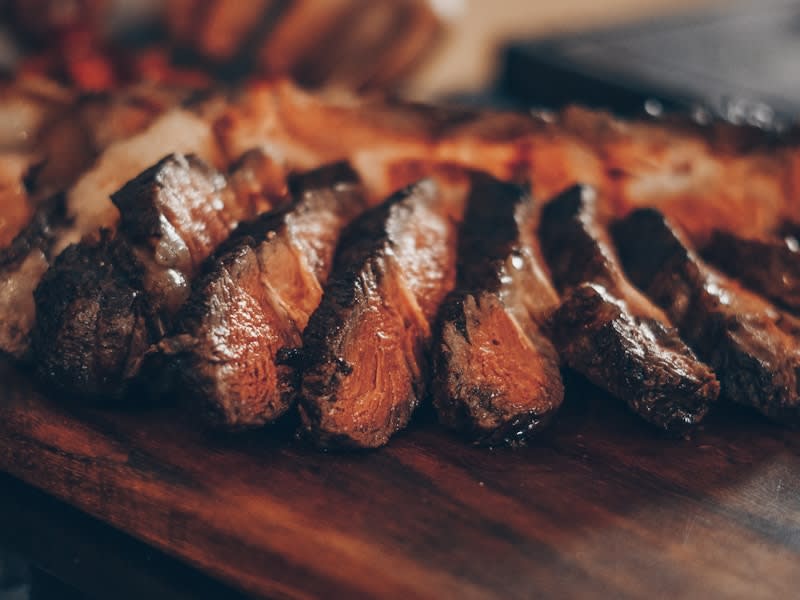
The simplest example is the melting of ordinary sugar: at a temperature of about 160–180 °C the white crystals melt, darken, and turn into a liquid amber caramel, from which sweets, sauces, decorations, and crème brûlée are made. But caramelization concerns not only pure sugar — it takes place in the natural sugars of vegetables and fruit (the browning of meat is mainly due to the Maillard reaction). It is thanks to it that fried onion becomes sweet and golden, roasted carrot or pumpkin richly flavoured, and apples in a pie caramel-sweet. Caramelization is important to distinguish from the related Maillard reaction (which takes place between sugars and proteins), though in the ruddy crust of dishes they often act together. The key to successful caramelization is precise temperature control, since beyond the golden colour sugar quickly scorches and begins to taste unpleasantly bitter. This reaction is one of the main sources of the deep, complex flavour and appetising look of dishes.