


Консервування
Preserving
Preserving is the set of techniques for the long-term keeping of foods by treating them and isolating them from spoilage factors.
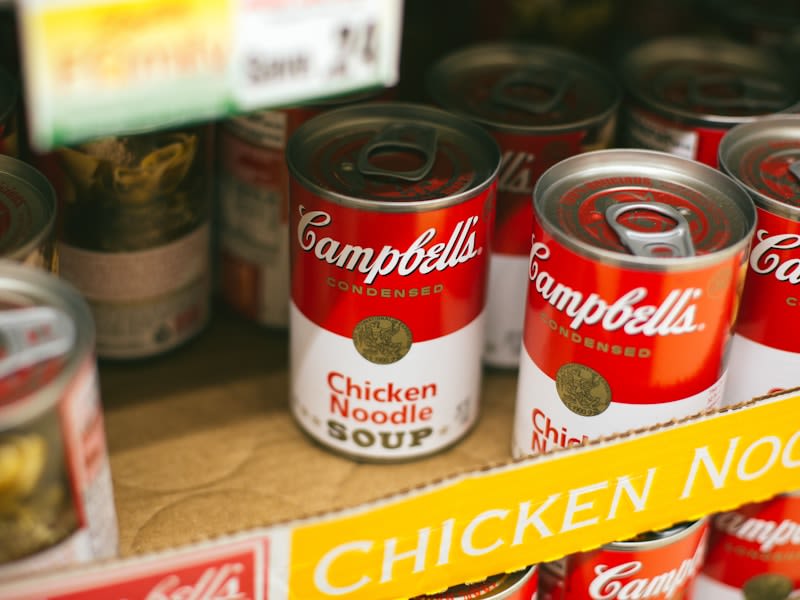
Preserving is the set of techniques for the long-term keeping of foods, in which they are treated so as to stop the spoilage caused by microorganisms, enzymes, and oxidation. The aim is to keep the harvest and dishes fit for use for months or even years, which was vitally important before the advent of refrigerators.
Humanity has invented countless methods of preserving, each of which in its own way creates an environment unfavourable to spoilage microbes. Heat sterilisation (classic canning in jars) destroys microorganisms with high temperature and hermetically isolates the product from air; for safety, high-acid foods (fruit, pickles) can be processed in a boiling-water bath, whereas low-acid foods (most vegetables, meat, fish) require pressure canning to guard against botulism. Salting and curing draw out moisture and create a salty environment fatal to microbes. Pickling in vinegar uses an acidic environment. Souring (fermentation) relies on beneficial lactic-acid bacteria that produce a protective acid. Foods are also preserved with sugar (jams, preserves), drying (removing moisture), smoking, freezing, and immersion in fat (confit). The Ukrainian tradition of preserves for winter — sauerkraut, pickles, jams, compotes — is a vivid example of a rich culture of preserving. This technique is an example of human ingenuity in the struggle to keep food and flavour.




